REFINE BY CONTENT TYPE
Showing 1–10 of 77 results
Articles
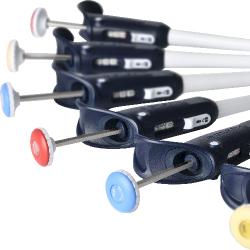
Liquid properties such as viscosity, volatility, surface tension, or temperature can adversely affect the performance of your pipettes by having an impact on the volume of the air cushion inside the pipette. Additionally, air-displacement pipettes run a higher risk cross-contamination with biological samples and carryover of hazardous or radioactive liquids. For these situations, positive-displacement pipettes, such as MICROMAN® E, are a better tool for the job.
Here, we describe a low-cost automated fluid dispensing system that is easy to use, while also remaining adaptable to a variety of tube/vial/plate formats. The system is suitable for many uses in biotechnology, chemical, cosmetic, and pharmaceutical labs.
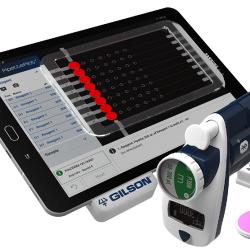
Pipetting insights and digital records of your protocols are at your fingertips with TRACKMAN® Connected, a tablet with accessories and apps that makes pipetting on microplates faster, with greater traceability and reproducibility.
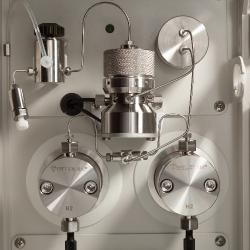
There are many variables to consider when configuring an HPLC system. To help, here are the top five questions you need to answer.
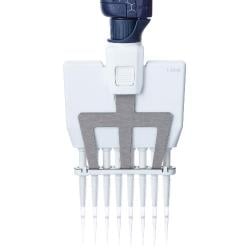
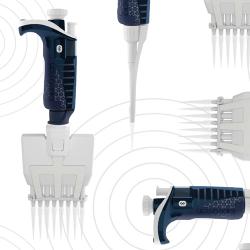
The use of electronic pipettes can help eliminate pipetting errors and user-to-user variation, and greatly improve assay reproducibility.
This tutorial will show you how to use PipettePilot to create quick and flexible protocols and processes.
The increasingly rapid pace of scientific research, combined with larger amounts of data, means it’s now more important than ever that routine steps or small changes to protocols be automatically recorded to ease the researcher's task list.
Automating some of the most taxing and repetitive pipetting tasks can help scientists save time and minimize errors in their work.
Preparative liquid chromatography experiments can mean working at the crossroads of science and art.
A higher standard of reproducibility made possible with tools that track pipetting data