Performing an ELISA is essential, familiar, and often mentally taxing. The repeated plate washes, careful reagent additions, and constant attention required throughout the workflow can make even routine assays feel demanding, especially when throughput increases. For many scientists, these steps define the rhythm of the day: steady, precise, and time-consuming.
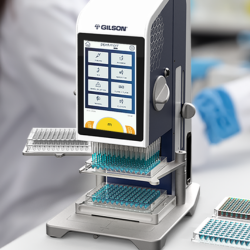
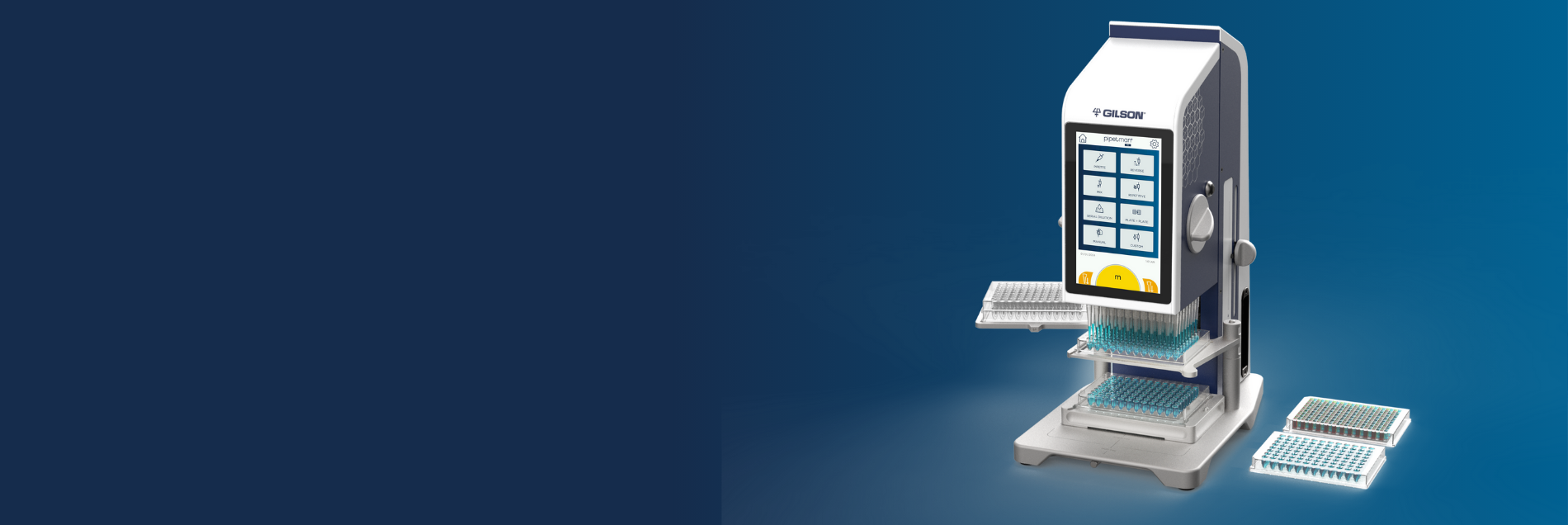
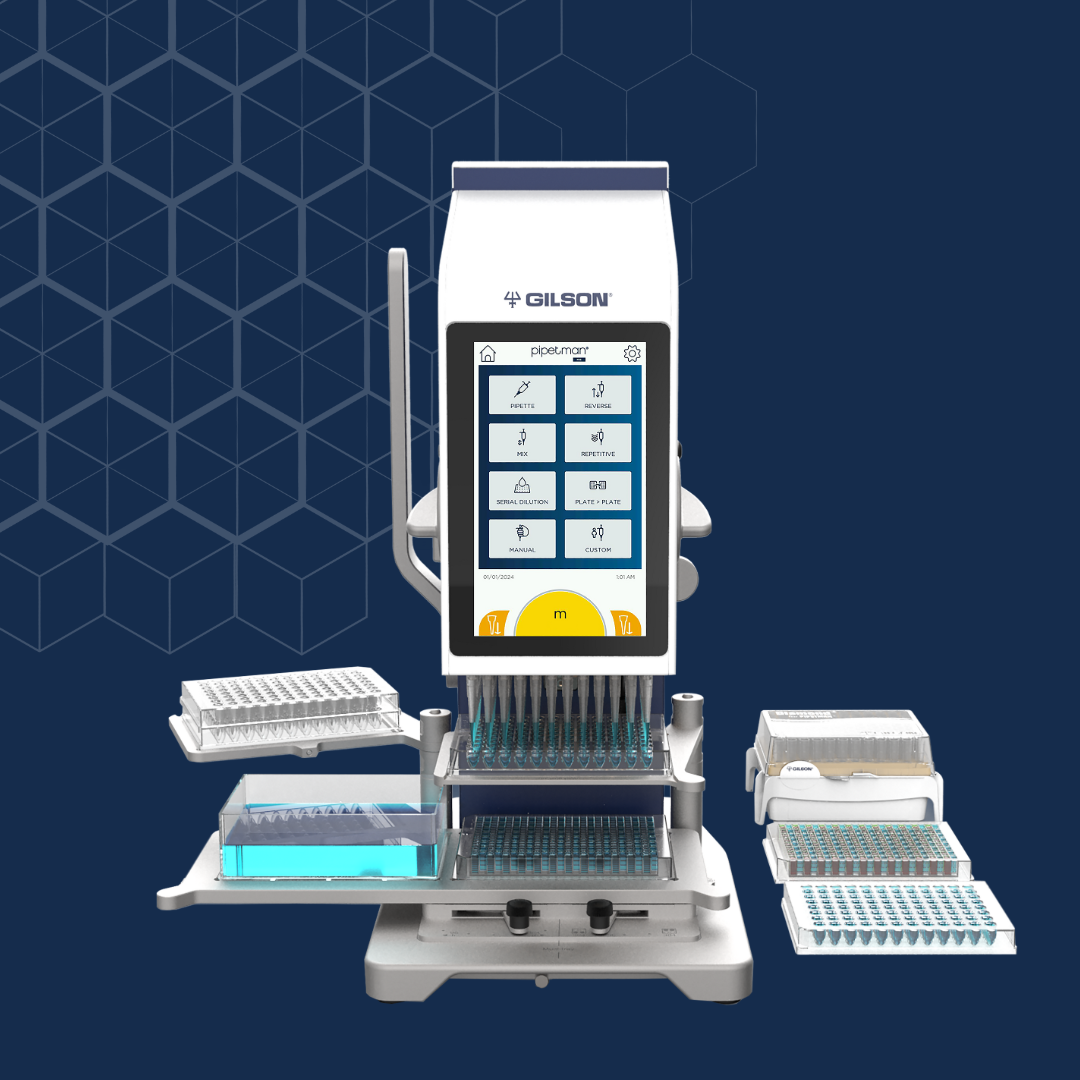
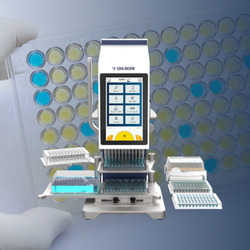
That’s why tools that streamline the most repetitive steps matter. PIPETMAN® M96 doesn’t just deliver consistent, uniform handling; it saves a significant amount of time compared to manual multichannel pipetting, helping scientists move through ELISA workflows more efficiently and with far less strain.
How We Evaluated Time Savings
To understand how much time scientists can save, we measured the duration of every pipetting step in a standard ELISA protocol. This included four plate-washing steps and the addition of the detector antibody, streptavidin-peroxidase, substrate, and stop solution. Three tools were compared side by side:
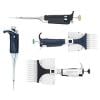
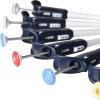
- A manual PIPETMAN L 8-channel (P8x200L)
- A manual PIPETMAN L 12-channel (P12x200L)
- And PIPETMAN M96, a 96-channel semi-automated pipette (P96x200)
Microplates were handled according to the workflow outlined in our article Streamlining ELISA Workflows with PIPETMAN M96. Each wash consisted of six dispenses of 300 µL (delivered as two 150 µL aliquots), while all other steps used single pipetting actions ranging from 100–200 µL.
The Results at a Glance
| Wash Step #1 |
16:30 |
11:00 |
05:00 |
| Wash Step #2 |
16:30 |
11:00 |
05:00 |
| Add Detector Antibody |
00:40 |
00:30 |
00:10 |
| Wash Step #3 |
16:30 |
11:00 |
05:00 |
| Streptavidin-Peroxidase Addition |
00:40 |
00:30 |
00:10 |
| Wash Step #4 |
16:30 |
11:00 |
05:00 |
| Add Substrate Solution |
00:40 |
00:30 |
00:10 |
| Stop Solution Dispensing |
00:40 |
00:30 |
00:10 |
| Total Protocol Time |
1h 8 min 40s |
56 min |
20 min 40s |
Even without calculating percentages, the difference is striking. Long, repetitive wash steps, often the most fatiguing part of the assay, shrink from more than 16 minutes to just 5 minutes when using PIPETMAN M96. Reagent additions that once required careful, repeated movements become quick, uniform, and nearly effortless.
Seeing the Difference
For scientists processing multiple plates, these gains compound. What once required an hour or more can now be completed in a fraction of the time, easing the physical strain of multichannel pipetting and allowing researchers more time to focus on the analytical parts of the workflow that truly need their expertise.
By switching to PIPETMAN M96, researchers save approximately 70% of their time compared to using a PIPETMAN P8x200 and more than 60% compared to a PIPETMAN P12x200.
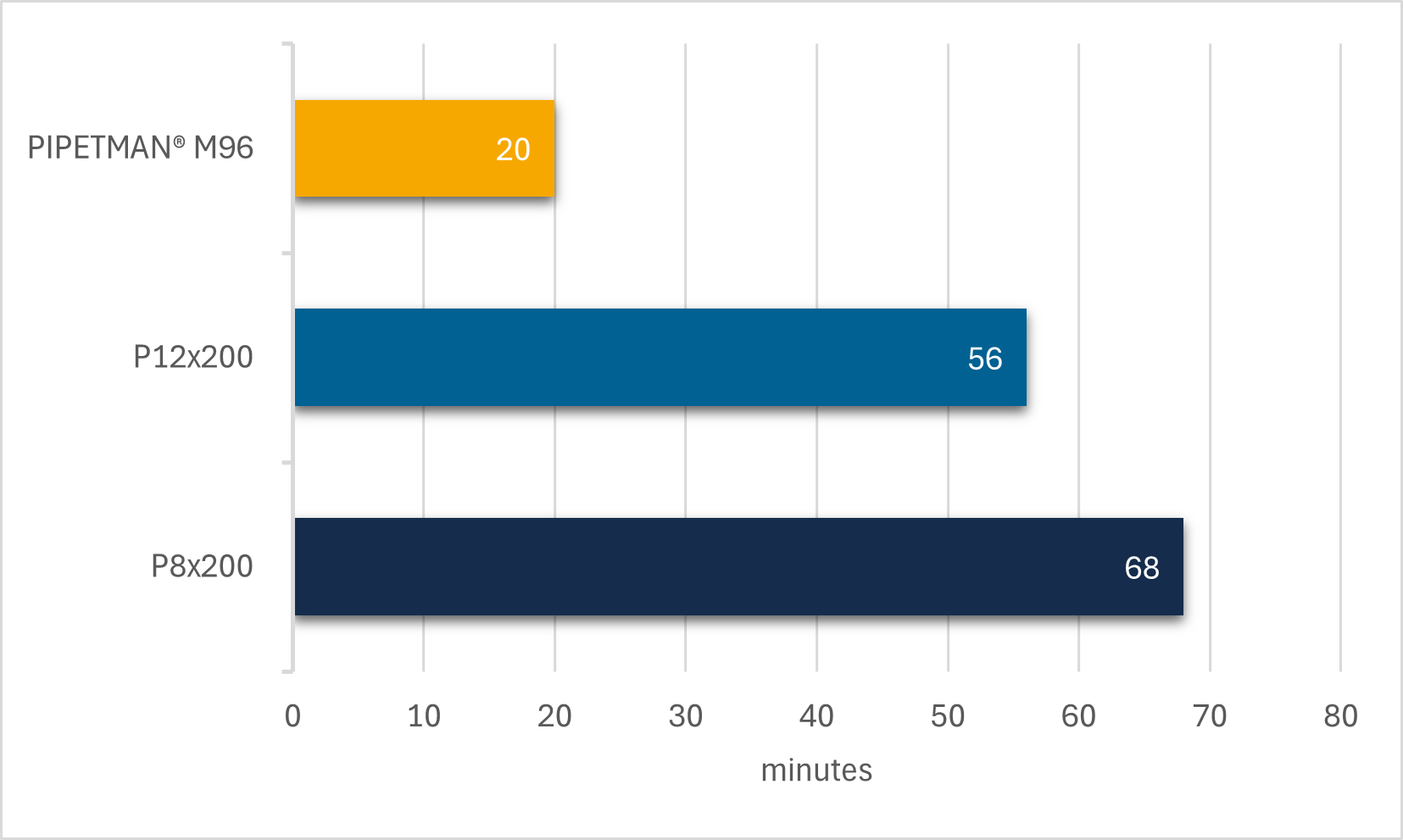
Figure 1. Time spent on pipetting plates in an ELISA protocol with different tools
A Smoother ELISA Experience
Beyond the percentages, many users describe a deeper shift: less rushing, fewer repetitive motions, and greater confidence that every well has been treated consistently.
The value of PIPETMAN M96 goes beyond time saved. It’s about making daily work feel easier, supporting accuracy without adding complexity, and giving scientists room to think, analyze, and move through their workflow with less fatigue and more confidence.
Ready to upgrade your ELISA workflow?
Discover how PIPETMAN M96 can simplify your processes, reduce repetitive strain, and help your lab accomplish more every day.
LEARN MORE